
"TKM-SX 180"
2280 article(s) found

The practice of Cafe Latte fancy coffee latte
Cafe Latte may be the only espresso that can be on a par with Cappuccino. According to the survey, the largest espresso item in the world is coffee lattes. Latte means milk in Italian, so Cafe Latte means coffee with milk. Raw coffee beans 8 grams of milk more than 150 milliliters of materials corresponding to 180 milliliters cup production step 1. Make one
Four factors affecting coffee brewing common sense of coffee
I ratio: 10g coffee powder + 180ML water = A CUP II freshness: oxygen + light + heat + humidity = the heart and lungs of the four enemies of coffee were sealed and stored in a cool place within a week after opening. III grinding: the best effect-the smaller the degree is, the finer the coffee powder is, the finer the coffee powder is, which is suitable for espresso machine, French drip filter 5 degrees, suitable for alcohol burning.

Bolivian Coffee Flavor characteristics and Market Bolivian Coffee Story
In the past, coffee trees in Bolivia used to act as hedges and ornaments around the garden. Real commercial production began in the early 1950s. The coffee industry in Brazil was seriously damaged by the great frost in 1975, while Bolivia (Bolivia) benefited from it and developed rapidly. The origin of Bolivian coffee: Bolivian coffee at an altitude of 180 Muhami 670 meters.

Basic knowledge of Bolivian boutique coffee
In the past, coffee trees in Bolivia used to act as hedges and ornaments around the garden. Real commercial production began in the early 1950s. The coffee industry in Brazil was badly damaged by the great frost in 1957, while Bolivia (Bolivia) benefited and developed rapidly. Bolivian coffee is grown at an altitude of 180,670 meters above sea level, including Allah.

Introduce the shapes and specifications of several coffee cups
1. Italian concentrated cup: used to drink espresso with a capacity of about 50ml. Because of its small capacity, it is generally made into a small shape for easy drinking. two。 Single coffee cup: used to drink ordinary single coffee, the capacity is about 180ml (usually loaded to 150ml), because the capacity is moderate, and there is no need to pull flowers, it is generally made into a straight cylinder of the same size as the top and bottom. (in addition, drink instant solution also use this) 3. Card

Classic Coffee making skill-- Hot latte
◆ content: 1 cup ◆ utensils: Italian coffee machine, coffee cup group ◆ material: Italian espresso 45ml, milk 180ml, sugar packet 1 packet ◆ practice: 1. First brew espresso with an espresso machine and steam the milk into hot milk and milk bubbles. two。 Warm the coffee cup with hot water, pour out the water, add espresso, slowly pour in hot milk, and finally

The producer of boutique coffee beans introduces Bolivian coffee.
In the past, coffee trees in Bolivia used to act as hedges and ornaments around the garden. Real commercial production began in the early 1950s. The coffee industry in Brazil was seriously damaged by the great frost in 1975, while Bolivia (Bolivia) benefited from it and developed rapidly. The origin of Bolivian coffee: Bolivian coffee at an altitude of 180 Muhami 670 meters.
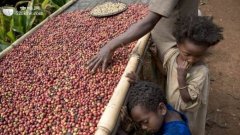
Coffee producing country Bolivia boutique coffee bean producing country
In the past, coffee trees in Bolivia used to act as hedges and ornaments around the garden. Real commercial production began in the early 1950s. The great frost of 1957 seriously damaged Brazil's coffee industry, while Bolivia (Bolivia) benefited from it and developed rapidly. Bolivian coffee is grown at an altitude of 180,670 meters above sea level, including Allah.

Global Coffee producing area-Bolivian Coffee Market
In the past, coffee trees in Bolivia used to act as hedges and ornaments around the garden. Real commercial production began in the early 1950s. The coffee industry in Brazil was seriously damaged by the great frost in 1975, while Bolivia (Bolivia) benefited from it and developed rapidly. The origin of Bolivian coffee: Bolivian coffee at an altitude of 180 Muhami 670 meters.

Coffee sketch is the most suitable coffee drink made by a cafe.
Ingredients (4 people) 1 tablespoon almond oil (or neutral oil) 4 eggs 4 tablespoons sugar 380ml milk 100ml espresso practice preparation time about 20 minutes baking time about 1 hour preheat oven to 180℃, apply almond oil to the baking pan (size about 23cm x23cm), beat eggs and sugar in a bowl, then slowly add milk and coffee and stir well, finally pour in together.

Cafe Latte coffee latte
Cafe Latte may be the only espresso that can be on a par with Cappuccino. According to the survey, the largest espresso item in the world is coffee lattes. Latte means milk in Italian, so Cafe Latte means coffee with milk. Raw coffee beans 8 grams of milk more than 150 milliliters of materials corresponding to 180 milliliters cup production step 1. Make one

Coffee supplies introduction: Taiwan love brand cream ball coffee partner love brand coffee milk ball 5ml
Product parameters: ingredients table: water, vegetable oil, milk powder, edible spices storage method: cool place at room temperature shelf life: 180 days Food Additives: sodium caseinate, phospholipid, lemon net content: 250g Packaging Brand: love sugar: sugar-free

Coffee utensils HARIO brand introduction: Japan Hario glass pot HPDN-2 400ml 1-2 people
Gauge: 11190138mm caliber 72mm weight: 180g capacity 400ml material quality: heat-resistant glass country of origin: Japan
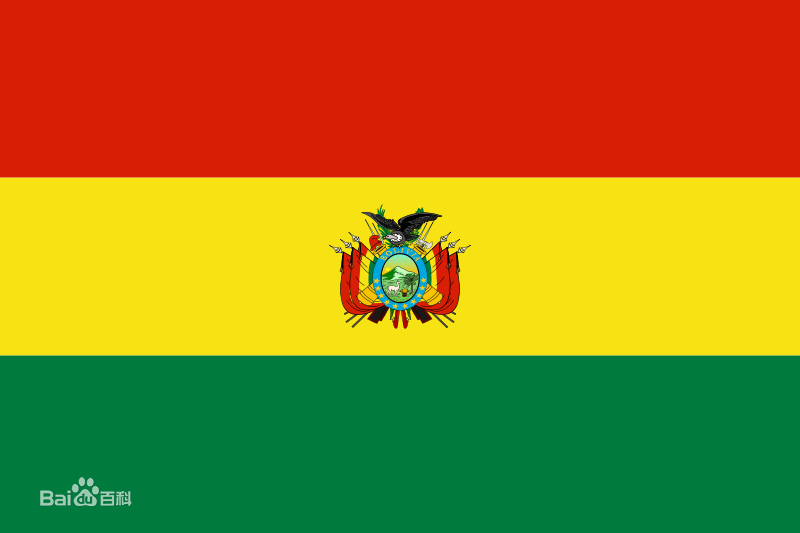
A brief introduction of Bolivian Fine Bean Flavor in South America description and Evaluation of Bolivian Coffee Flavor
In the past, coffee trees in Bolivia used to act as hedges and ornaments around the garden. Real commercial production began in the early 1950s. The great frost of 1957 seriously damaged Brazil's coffee industry, while Bolivia (Bolivia) benefited from it and developed rapidly. Bolivian coffee is grown at an altitude of 180,670 meters above sea level.
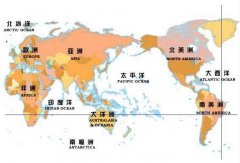
Grow high-quality Bolivian coffee beans at high altitude
In the past, coffee trees in Bolivia used to act as hedges and ornaments around the garden. Real commercial production began in the early 1950s. The coffee industry in Brazil was badly damaged by the great frost in 1957, while Bolivia (Bolivia) benefited and developed rapidly. Bolivian coffee is grown at an altitude of 180,670 meters above sea level, including Allah.
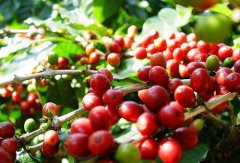
Bolivian boutique coffee
Bolivia in the past coffee trees in Bolivia used to act as hedges and ornaments around the garden. Real commercial production began in the early 1950s. The coffee industry in Brazil was badly damaged by the great frost in 1957, while Bolivia (Bolivia) benefited and developed rapidly. Bolivian coffee is grown at an altitude of 180,670 meters above sea level.
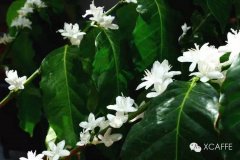
Bolivian boutique coffee Bolivian coffee cultivation
In the past, coffee trees in Bolivia used to act as hedges and ornaments around the garden. Real commercial production began in the early 1950s. The coffee industry in Brazil was badly damaged by the great frost in 1957, while Bolivia (Bolivia) benefited and developed rapidly. Bolivian coffee is grown at an altitude of 180,670 meters above sea level, including Allah.
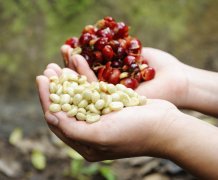
Bolivian coffee boutique coffee black coffee
Coffee trees that go to Bolivia are often planted around the garden as hedges, decorating flowers and trees. Real commercial production began in the early 1950s. The coffee industry in Brazil was badly damaged by the great frost in 1957, while Bolivia (Bolivia) benefited and developed rapidly. Bolivian coffee is grown at an altitude of 180,670 meters above sea level.

Introduction of Bolivian coffee beans
In the past, coffee trees in Bolivia used to act as hedges and ornaments around the garden. Real commercial production began in the early 1950s. The great frost of 1957 seriously damaged Brazil's coffee industry, while Bolivia (Bolivia) benefited from it and developed rapidly. Bolivian coffee is grown at an altitude of 180,670 meters above sea level.
Hawaii Kona Coffee Culture Festival Hawaiian Coffee Brands
Hawaii Kona Coffee Culture Festival: every November, the Kona area of Hawaii Island hosts the grand Hawaiian Kona Coffee Culture Festival (KonaCoffeeCulturalFestival) to celebrate the harvest of Hawaiian Kona coffee beans (KonaCoffee) while commemorating the 180-year-old tradition of Hawaiian coffee beans. During the nearly 10-day event, the Big Island of Hawaii and